
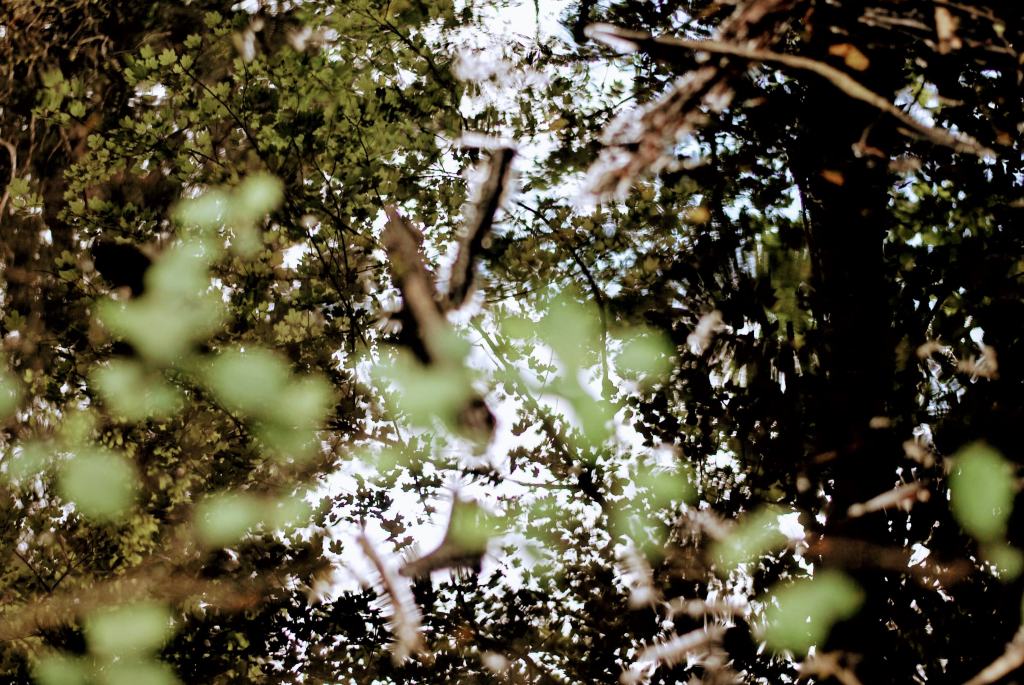
In this place, the stones are smooth, and when it rains, you’re bound to slip.
The sandstone, worn down by millennia of running water, doesn’t get along with hooves: it screws you over the moment you lose focus and puts your ass on the ground without warning. But I’ve got a long back and short legs: I fall often, but I fall well. When it’s dry, though, I move up and down like a cat on a fourth-floor terrace.
My name is Dolio, and I’m the gardener of this place. I’ve lived on these Tuscan hills for a long, long time.
No, not that postcard Tuscany that just popped into your head like a car commercial: rolling hills, a medieval village, kitten on the window sill, cypress trees in a row. No. We’re not in the heart of anything. This is an edge. A border. And borders, you know, are strange places: things happen. Waters mingle, species cross paths, times collide. And if you stop and listen—really listen—you might still hear something.
Take the month of May. The forest gets soaked: water runs down and slips between the roots, all the way to the sandstone bedrock sleeping beneath the leaf litter. A grey stone, warm, with skin as smooth as the back of a river fish. Just two steps along the trail—the one that cuts across the slope between the holm oak and elderberry—and you’ll hear a wild variety of birdsong that, if you’ve got even a bit of heart, lets you glimpse what this place once was.
A time when the skies were full all year round, and people came up here to listen. To read, in the flight patterns and dives, the moods of the gods. It was another age. But I was here then, and I’m still here now.
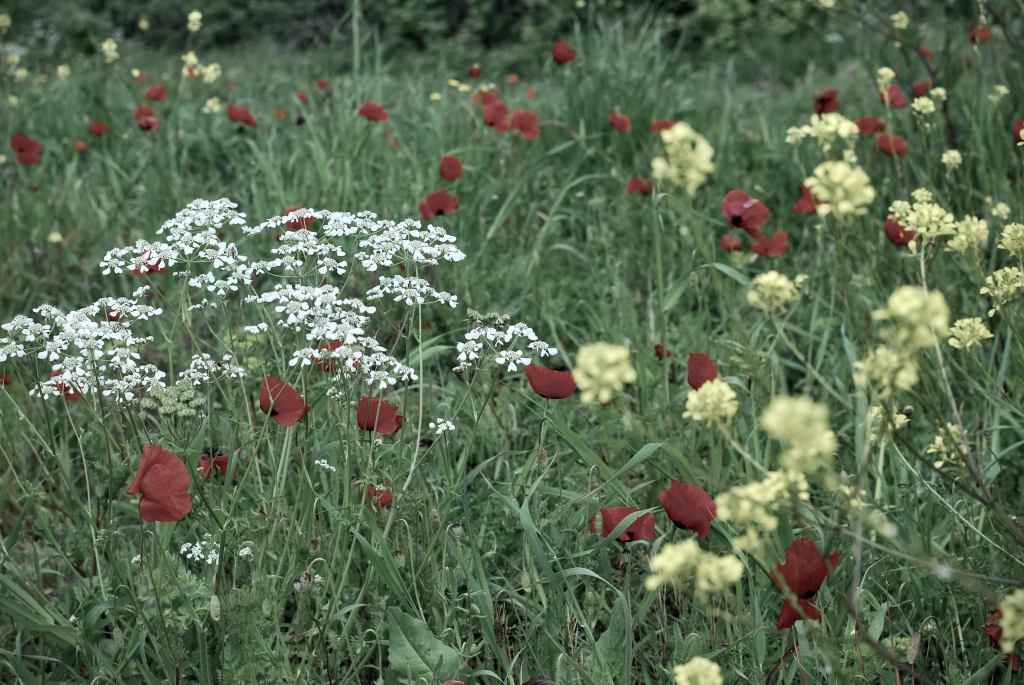
Some called me Satyr. Others said Silvanus. One guy swore he saw me and spoke of Silenus. The most devoted called me Faun. But I am Dolio. Gardener of these lightning-lit hills. Keeper of what remains, and of what might return.
Above me lies the Apennines, a giant with a beechwood beard and a wolf’s breath, reeking of continent and north wind. Below, the limestone hills that have made wine since the Etruscans—damn fine wine, too—and further down, gleaming in its placid infernal ring, is Florence.
If I tilt my pointed ear one way, the wind speaks through the fir branches; if I turn the other, my beard gets soaked in salt. Up here, with the bells of the Duomo, you can catch the last breath of the Mediterranean.
Up here come hikers, mushroom hunters, priests in old Renaults, grandmas with rosaries, outlet mountaineers in tech shirts and carbon trekking poles, dads with kids strapped to their backs, moms on a podcast break, dogs dragging their owners behind, horny couples, unlucky boy scouts, and a few nostalgic wannabe partisans too chicken to fight for real.
But it hasn’t always been like this, let’s be clear.
Every time you were hungry, you came up here to chew on misery. Your ancestors cut down trees, gutted paths, brought the dry light of the sun where shadow and damp once reigned. Under the decomposing leaves, you can still smell the rancid stink of cow butter, or the muted scent of chestnut flour, and in the deepest silence, you can still hear the crackle of old charcoal kilns, the ancient songs of transhumance.
And then you broke the balance. And, frankly, got on our nerves.
But you’re a breed that bores easily, so you let yourselves be seduced by the neon lights of your capitalist puppet show. Drawn like mosquitoes, you tumbled down toward the modern city.
Good riddance. We’ve returned, and the Garden has started blooming again.
Now the heathers grow where pastures once lay, rockroses on soils scarred by cattle hooves. The dry-stone walls once raised to divide them now rest in the shade of tall holm oaks, dressed in green by polypody ferns. Roe deer and fallow bucks clash for mates in heat, and wolves, foxes, and badgers have plenty to feed on. Life and Death, Day and Night. Dawn and Dusk. Manure and flowers. Hurry has left these hills, and Life has returned.
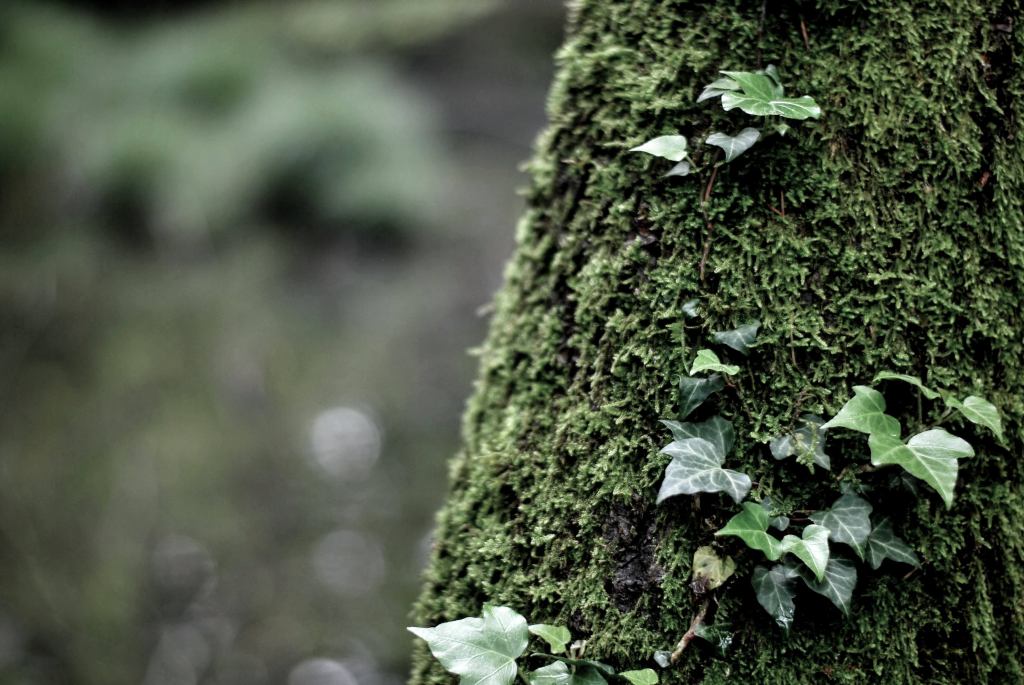
Gardener of the lightning-lit hills. I care for this garden while you’re away. You could say my job is to love this world in your place.
What’s the point of coming back to Ithaca if Ithaca’s gone to shit?
In Greek, the word kosmos meant both “world” and “ornament.” That’s right—twenty-five centuries ago, people like you believed the world was a beautiful, ordered adornment. You thought—goddammit—that World and Beauty were the same thing. A flock of birds suddenly wheeling, a woman’s dress caught in the wind, the endless shades of green in May, the nine times table: the world, before you started thinking of it as a dump for inert resources, was the place of beauty. It was beauty.
And now that you’ve gone brain-dead over your growth fetish, you think your mercantile, economic, upbeat view of the world will once again save your sorry ass. You even calculated it. So you invented Sustainability. Printing, packaging, shipping, flying, installing solar panels, handing out flyers, gifting gadgets—polluting less to save the planet.
You slapped a fig leaf over your conscience and called it a “green transition.”
The forest doesn’t speak of sustainability. The forest either is, or it isn’t.
It doesn’t do balance sheets, doesn’t measure emissions, doesn’t ask for certifications. The ivy chokes the pine, which, when it falls, cracks a young ash tree in half, and no one needs to moralize about it. The forest grows and dies, tangles, collapses, is reborn. And when you listen—really listen—you realize there’s nothing to save. And why save, anyway? Fifteen hundred years of Christian thinking boiled down to one word: save. There’s nothing to save here, no one to redeem, no teary-eyed soul begging for help. Here, there’s just something to recognize, to see again, to hear, to smell.
 geniuslooci
Lascia un commento