
Visions
The place where the world becomes visible again
Between the fourteenth century and the end of the sixteenth, something radical happens in Florence, something destined to enter the very substance of our thought and the categories through which we look at existence. Figures acquire weight, bodies return to occupy space, and a path towards the origins opens again. In churches, palaces, stories and gardens, ancient forms of experience re-emerge. The world becomes visible again: plural, inhabited by presences.
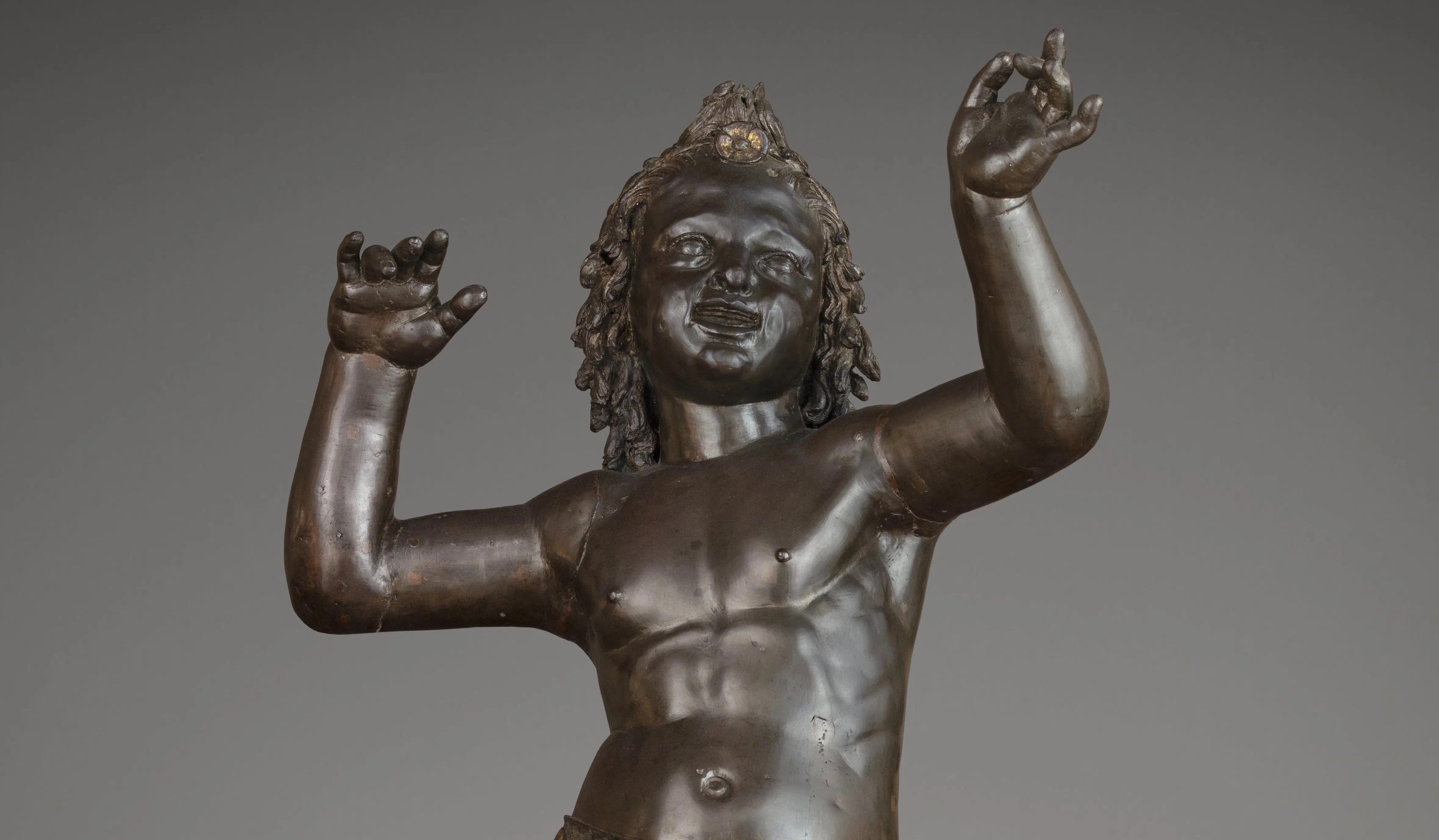
Economic prosperity, workshops and major commissions form the concrete substance of this story. Within that material world, a deeper transformation of perception is taking place. Giotto gives weight and truth back to images. Donatello allows the ambiguity of the flesh to surface. Boccaccio reopens the garden to desire and speech. The Medici create spaces in which myth, philosophy and landscape become intertwined once again. Florence becomes a cultural and imaginal harbour of the Mediterranean.
The method: the image as a living event
In these encounters, we begin with the material reality of images. Art history provides the tools needed to approach them with precision: sources, contexts, materials and gestures.
Each work is approached as an event still unfolding, a form capable of acting in the present and altering the way we perceive the body, nature, the sacred and the city. The question is what continues to manifest itself through these images, and why, after centuries, they still retain such force.
Constellations of works, places and stories
Visions are online courses for small groups, designed for those who want to understand why Florence occupies such a decisive place in the culture we still inhabit.
Each series moves through a constellation of works, places and stories, following the currents that pass through them and hold them together. These images continue to precede us. They shape the way we see before we are even aware of it.
Receive information about upcoming Visions
Next Vision · Online course
Anima
Mundi
Four meetings on art in Florence, from the thirteenth century to the end of the sixteenth.
English edition · November–December 2026
Italian edition · January–February 2027
“The Imagination is not a State: it is the Human Existence itself.”
William Blake, Milton: a Poem, plate 32, 1804–1811